| Event type: | Outing |
| Date: | 1st August 2025 |
| Time: | 9:00 am - 6:00 pm |
| Group: | Gardening (Group 2) |
| Organiser: | |
| Cost: | Walled Garden £32.50, Ascott free for NT Members, non Members £11.25 for Garden, and £6.30 for House. |
| Booking: | Note that booking is required. |
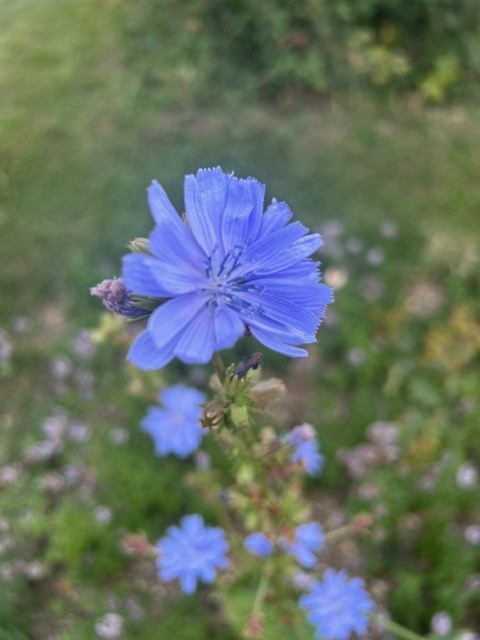
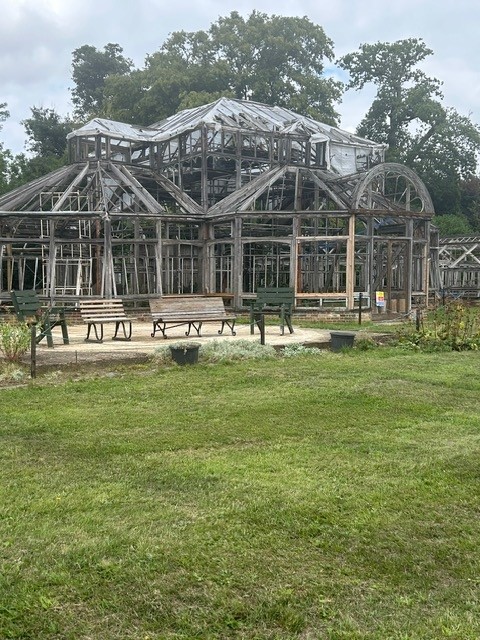
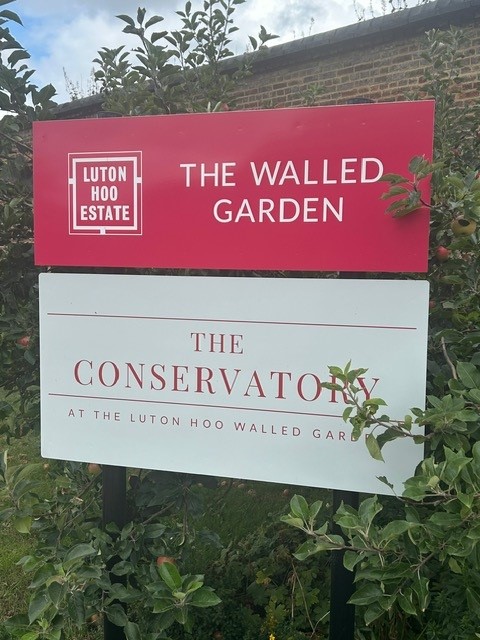
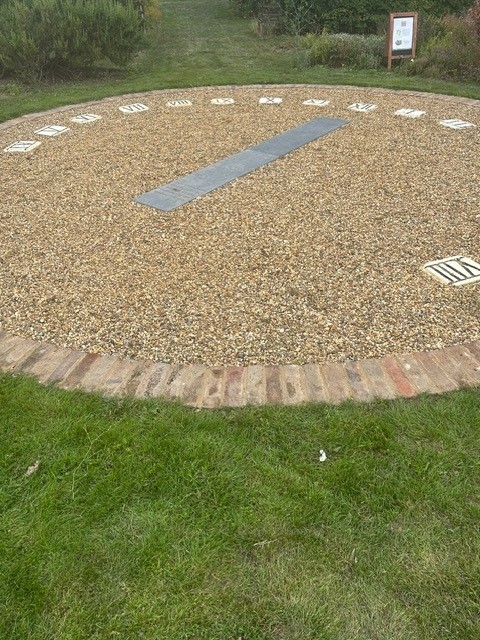
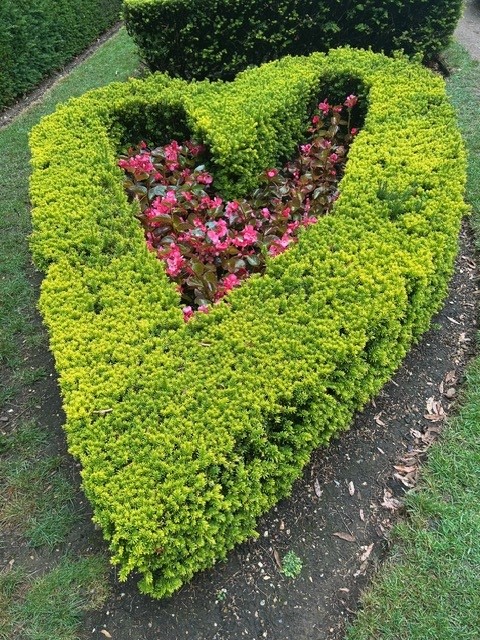
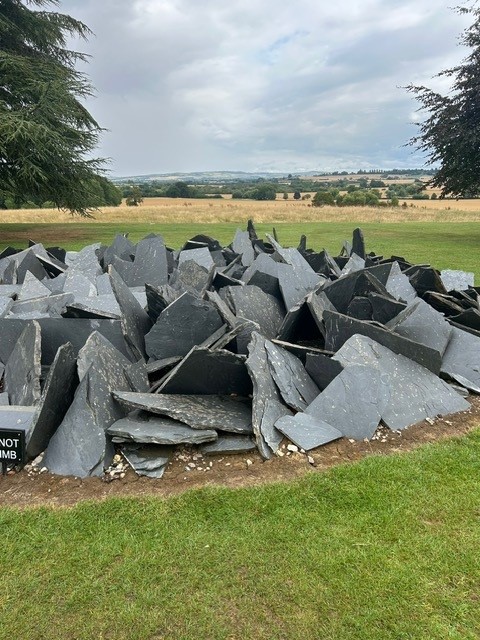
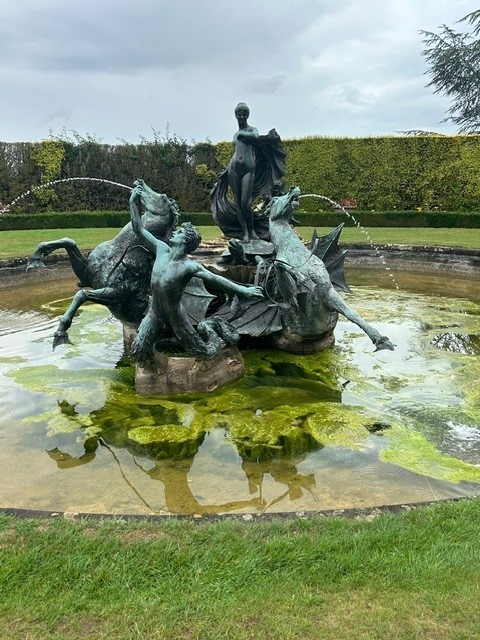
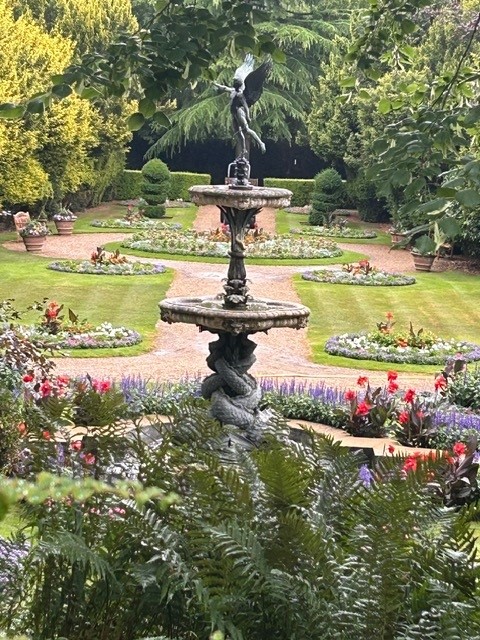
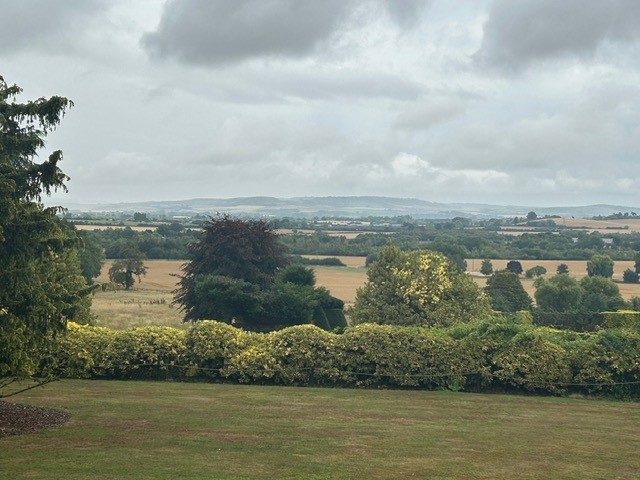
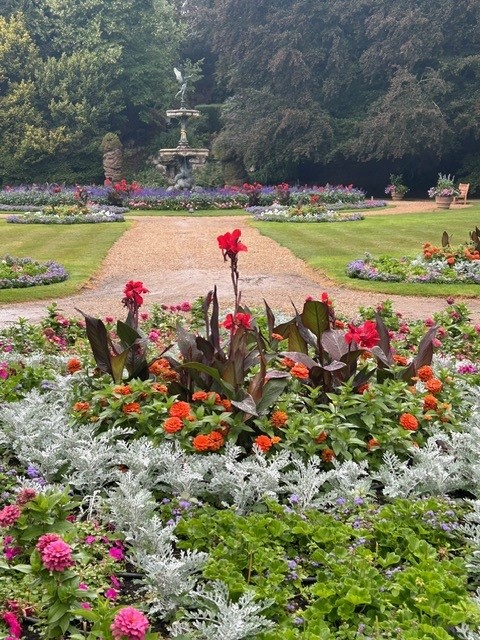
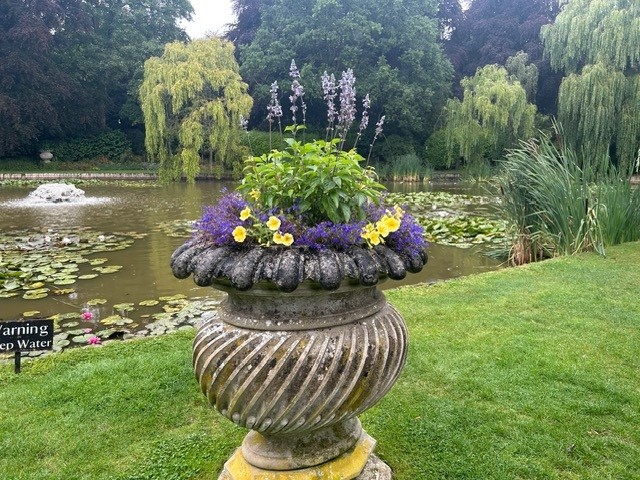
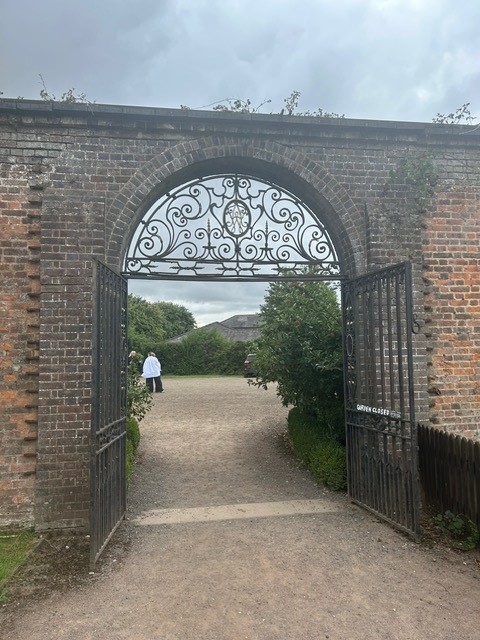
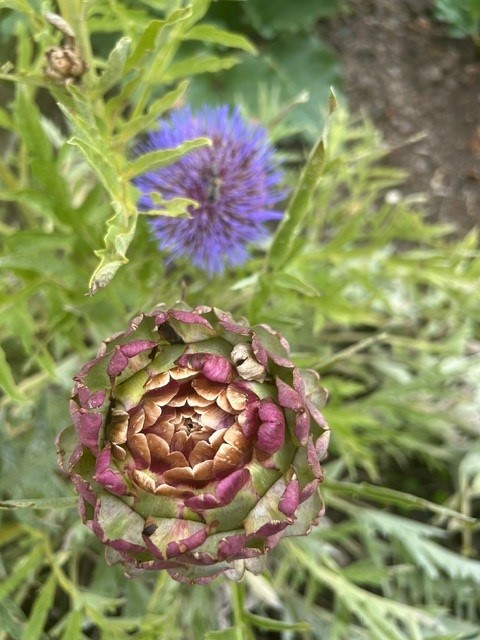
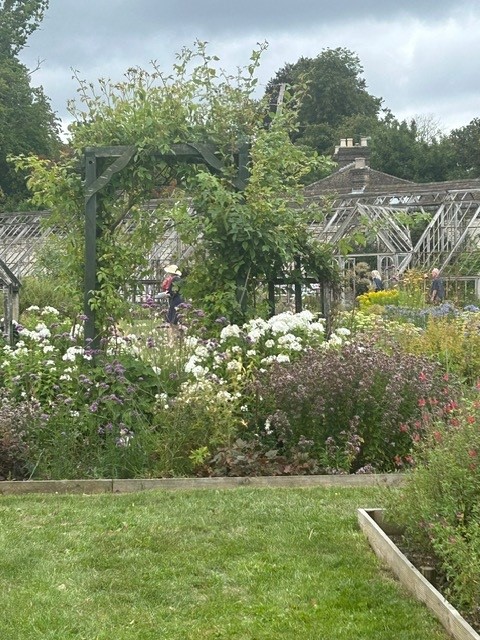
On 1st August the Group visited the House and Gardens of Luton Hoo and Ascott House. See pictures below.
Luton Hoo is an English country house and estate near Luton in Bedfordshire and Harpenden in Hertfordshire. Most of the estate lies within the civil parish of Hyde, Bedfordshire. The Saxon word Hoo means the spur of a hill, and is more commonly associated with East Anglia.
An original manor house on the site belonged to the de Hoo family until the 1450s, when inherited by the heiress Anne Hoo, wife of Geoffrey Boleyn. The manor remained a property of the Boleyn family until Anne's grandson Thomas Boleyn, 1st Earl of Wiltshire sold it to a wealthy merchant. The manor changed owners several times until it was inherited by the politician Francis Herne in the early 1750s. A decade later, Herne sold the manor to the prime minister of Great Britain John Stuart, 3rd Earl of Bute. Bute financed the construction of the present house from 1767 to 1774. His grandson John Crichton-Stuart, 2nd Marquess of Bute financed a redesign of the house in the early 1830s, which added a massive portico to Luton Hoo. For more information see here
Ascott House, sometimes referred to as simply Ascott, is a Grade II* listed building in the hamlet of Ascott near Wing in Buckinghamshire, England. It is set in a 32-acre / 13 hectare estate.
Ascott House was originally a farm house, built in the reign of James I and known as "Ascott Hall". In 1873 it was acquired by Baron Mayer Amschel de Rothschild (of the neighbouring Mentmore Towers estate). The Rothschild family had begun to acquire vast tracts of land in Buckinghamshire earlier in the century, on which they built a series of large mansions from 1852 onwards. Baron Mayer gave the house at Ascott to his nephew Leopold de Rothschild, who transformed it over the following decades into the substantial yet informal country house that it is today. For more information see here
With thanks for above information to Wikipedia